PM Poshan 2026: Budget, Rules, Menu and What Changed
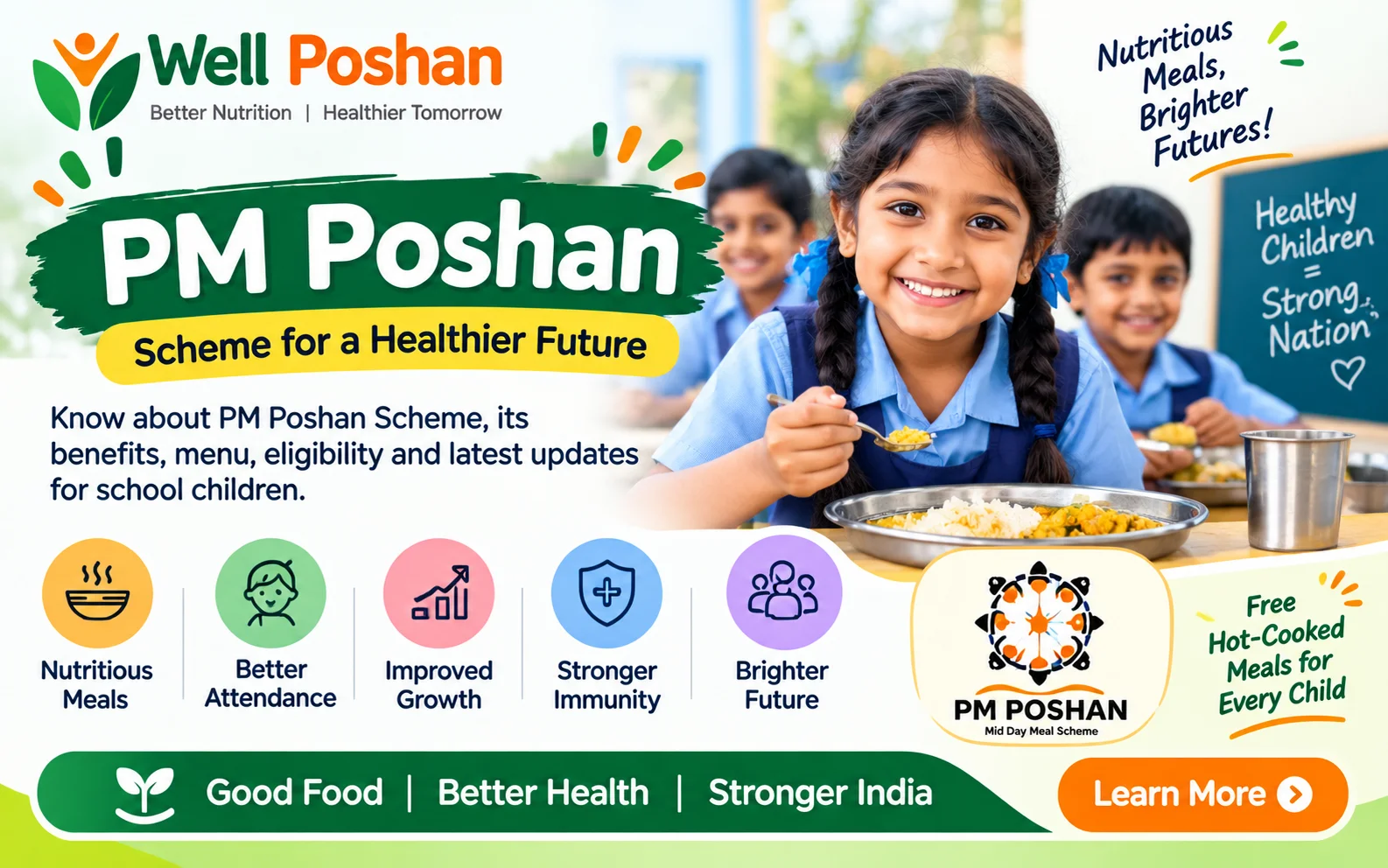
PM Poshan (Pradhan Mantri Poshan Shakti Nirman) is India’s flagship school meal scheme, run by the Ministry of Education, that gives about 11.80 crore children in government and government-aided schools one hot cooked meal on every school day.
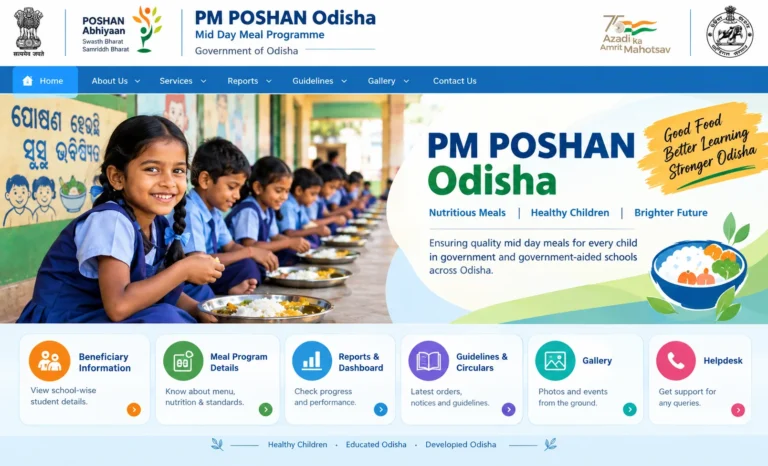
Picture 11:30 a.m. in a government school. A steel drum of khichdi is steaming, a cook-cum-helper is counting plates, and a hundred kids are lined up like a very hungry orchestra. Multiply that scene by 11.20 lakh schools and you have PM Poshan, one of the largest school-feeding programmes on the planet.
In 2026 the scheme sits at a fascinating crossroads: a bigger budget, a five-year renewal still to be finalised, and a loud national debate about adding breakfast. This guide walks you through the rules, the money, the state-level twists and a checklist you can use tomorrow.
Author’s note: I read scheme guidelines, budget papers and state circulars the way cricket fans read scorecards: hunting for the pattern behind the numbers. The pattern here is consistent. The scheme rarely fails on paper. It wobbles in the last mile: late funds, thin menus, careless data. This guide is built around fixing that last mile.
What Is PM Poshan? (Definition and Full Form)
It is a Centrally Sponsored Scheme that serves one hot cooked meal to eligible children studying in Bal Vatika (pre-primary) and Classes I to VIII in government and government-aided schools. It is the modern avatar of the old Mid-Day Meal (MDM) Scheme.
The goals are simple: fight hunger, improve nutrition, and give poor families one more reason to send children to school and keep them there.
PM Poshan Full Form
PM Poshan stands for Pradhan Mantri Poshan Shakti Nirman. “Poshan” means nutrition and “Shakti Nirman” means building strength. Officially the acronym expands as POshan SHAkti Nirman.
PM Poshan Yojana Kya Hai? (Hinglish version)
Yeh ek kendra-prayojit yojana hai jisme sarkari aur sahayata-prapt schoolon ke bachchon ko har school din ek garam pakaya hua bhojan milta hai. Centre aur state sarkar milkar iska kharch uthati hain.
What Is PM Poshan Scheme vs POSHAN Abhiyaan?
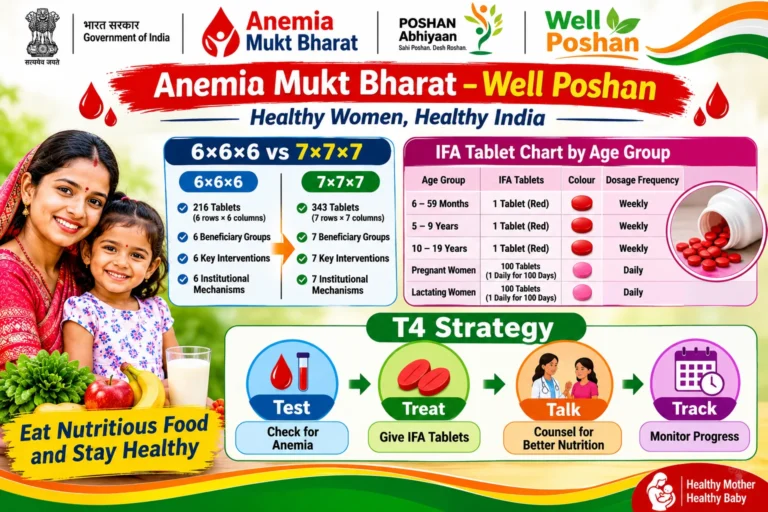
Here is the mix-up I see most often. Two different programmes share the word “Poshan.”
| Feature | School meal scheme | POSHAN Abhiyaan / Saksham Anganwadi and Poshan 2.0 |
|---|---|---|
| Ministry | Ministry of Education | Ministry of Women and Child Development |
| Who benefits | Bal Vatika to Class 8 students | Children 0-6, pregnant and lactating women, adolescent girls |
| Where it runs | Schools | Anganwadi centres |
| Tracking tool | State apps, SMS, and the national portal | Poshan Tracker app |
| 2026-27 budget estimate | ₹12,750 crore | ₹23,100 crore (Union Budget documents) |
Same word, different kitchens. Keep them separate and half the confusion disappears.
PM Poshan Under Which Ministry?
It sits under the Ministry of Education, implemented through its Department of School Education and Literacy. Before July 2020, when the ministry was renamed, the same department sat inside the Ministry of Human Resource Development.
Some online lists tag the scheme to the Ministry of Women and Child Development. That is the Poshan Abhiyaan cousin, not the school meal scheme.
Quick answers on launch year and ministry
People ask the same questions in a dozen ways. Here they are, answered once.
| Question (and its variants) | Answer |
|---|---|
| PM Poshan started in which year? PM Poshan Scheme started in which year? PM Poshan launched in which year? | The meal programme began nationally in 1995. The renamed version was approved in 2021 and began with the 2021-22 school year. |
| When was PM Poshan launched? When was PM Poshan Scheme launched? PM Poshan Scheme was launched in which year? | 15 August 1995 as the National Programme of Nutritional Support to Primary Education. The renamed scheme was cleared by the Cabinet on 29 September 2021. |
| PM Poshan Scheme renamed in which year? | 2021 (Mid-Day Meal got its new name). |
| PM Poshan Scheme comes under which ministry? PM Poshan is implemented by which ministry? PM Poshan Scheme launched by which ministry? PM Poshan Yojana under which ministry? | Ministry of Education (earlier MHRD). |
When Was PM Poshan Launched? A Short Timeline
The PM Poshan Scheme launch date depends on which “birthday” you mean. Here is the full family tree.
| Year | Milestone |
|---|---|
| 15 Aug 1995 | National Programme of Nutritional Support to Primary Education starts in 2,408 blocks, the original mid-day meal |
| 28 Nov 2001 | Supreme Court (PUCL v. Union of India) directs states to provide cooked meals |
| 2004 onwards | Cooked meals become the norm in government primary schools |
| 2007-08 | Programme extended to upper primary classes |
| 29 Sep 2021 | Cabinet approves the renamed scheme for 2021-22 to 2025-26, adds Bal Vatika, total outlay ₹1,30,794.90 crore |
| 1 May 2025 | Material cost raised 9.5% to ₹6.78 (primary) and ₹10.17 (upper primary) |
| Apr 2026 | Interim extension announced up to 30 Sep 2026, or until the 16th Finance Commission cycle is approved, whichever is earlier |
PM Poshan Yojana kab shuru hui? Mid-day meal ke roop mein 1995 mein, aur naye naam ke saath 2021 mein.
At a Glance: The 2026 Numbers
Numbers first, stories later.
| Metric | Figure | Source |
|---|---|---|
| Children covered | About 11.80 crore | Ministry of Education portal |
| Schools covered | About 11.20 lakh | Ministry of Education portal |
| Union Budget 2026-27 estimate | ₹12,750 crore (20% above 2025-26 revised estimate) | PRS Legislative Research |
| Five-year outlay 2021-26 | ₹1,30,794.90 crore including foodgrain | Cabinet (PIB) |
| Material cost from 1 May 2025 | ₹6.78 primary, ₹10.17 upper primary | Ministry of Education |
Who Gets the Benefits? (PM Poshan Yojana Ke Mukhya Labharthi Kaun Hai?)
The main beneficiaries are:
- Children in Bal Vatika (pre-primary) in government and government-aided primary schools
- Students of Classes I to VIII in government and government-aided schools
- Children in Special Training Centres, Madarsas and Maqtabs supported under Samagra Shiksha
- Cook-cum-helpers, mostly women, who earn an honorarium (a quiet second beneficiary group)
Hinglish check: Mukhya labharthi Balvatika se Class 8 tak ke sarkari aur sahayata-prapt schoolon ke bachche hain.
Budget 2026-27: Where the Money Goes
The Union Budget 2026-27 set aside ₹12,750 crore for the scheme, according to PRS Legislative Research. That is about 20% higher than the 2025-26 revised estimate.
Look at the trend before you celebrate:
| Year | Figure (₹ crore) |
|---|---|
| 2024-25 actuals | 9,903 |
| 2025-26 budget estimate | 12,500 |
| 2025-26 revised estimate | 10,600 |
| 2026-27 budget estimate | 12,750 |
My take: the 2025-26 revised estimate came in ₹1,900 crore below the original promise. A big headline number only helps children if releases keep pace with it. Watch the revised estimates, not just the budget speech.
The cost-sharing rule:
- Most states and UTs with legislatures: Centre 60%, State 40%
- North-Eastern and Himalayan states: 90:10
- UTs without legislature: 100% Centre
- Foodgrain (rice or wheat): the Centre bears the full cost, on top of the cash budget
Quick arithmetic (mine, not an official figure): ₹12,750 crore spread over 11.80 crore children works out to roughly ₹1,080 per child per year in central cash outlay, before the foodgrain subsidy.
Is the Scheme Still Running in 2026?
Yes. The five-year cycle ended on 31 March 2026, but the Ministry of Education extended the scheme on existing norms up to 30 September 2026, or until approval for the 16th Finance Commission cycle (2026-27 to 2030-31), whichever is earlier. At the time of writing in October 2026, the final five-year outlay is the thing to watch. Meals have continued throughout. Check the official portal for the approved outlay.
PM Poshan Scheme Meal Programs: The Norms on the Plate
These meal programs run on nutrition norms, not guesswork. Here is what each child is entitled to on a school day.
| Norm (per child per day) | Primary and Bal Vatika | Upper primary |
|---|---|---|
| Foodgrain (rice or wheat) | 100 g | 150 g |
| Calories | 450 kcal | 700 kcal |
| Protein | 12 g | 20 g |
| Pulses | 20 g | 30 g |
| Vegetables | 50 g | 75 g |
| Oil | 5 g | 7.5 g |
| Material cost (from 1 May 2025) | ₹6.78 | ₹10.17 |
Other fixed rules worth knowing:
- One cook-cum-helper for up to 25 students; two for 26 to 100 students
- Central minimum honorarium for cooks is ₹1,000 per month, and states can top it up
- Tithi Bhojan invites the community to sponsor special meals on festivals
- School Nutrition Gardens put home-grown vegetables into the pot
- Aspirational districts and high-anaemia areas can add milk, eggs or fruit
- Social audits let the community check the meal against the norm
How the Cooking Cost Has Moved
| Period | Primary | Upper primary |
|---|---|---|
| Before October 2022 | ₹4.97 | ₹7.45 |
| October 2022 | ₹5.45 | ₹8.17 |
| Before May 2025 | ₹6.19 | ₹9.29 |
| From 1 May 2025 | ₹6.78 | ₹10.17 |
The primary rate is up roughly 36% from ₹4.97 (my arithmetic). Is that enough? The Accountability Initiative at the Centre for Policy Research found that food inflation rose 23.7% between April 2020 and October 2022 while the cooking cost rose only 9.6%. The 2025 hike followed the Labour Bureau’s rural labour price index (CPI-RL), which is why the Centre’s additional spend that year was about ₹954 crore.
Why this matters (the expert bit): CPI-RL measures what a rural labour household pays, which is a blunt tool for the price of dal, vegetables and cooking oil in a school kitchen. When the index lags, schools quietly trim the menu: fewer vegetables, thinner dal, rare eggs. The central rate is therefore a floor, not a promise of a great meal.
PM Poshan Calculator: Plate Math in 60 Seconds
No official “PM Poshan Calculator” is needed to know what your school should receive. Use this formula, which I call the Plate Math method:
Monthly material cost = (primary students × ₹6.78 + upper primary students × ₹10.17) × meal days
Monthly foodgrain = (primary students × 0.1 kg + upper primary students × 0.15 kg) × meal days
Worked example (illustrative school): 90 primary and 70 upper primary students, 24 meal days.
| Item | Calculation | Result |
|---|---|---|
| Primary material cost | 90 × 24 × ₹6.78 | ₹14,644.80 |
| Upper primary material cost | 70 × 24 × ₹10.17 | ₹17,085.60 |
| Total material cost | ₹31,730.40 | |
| Centre’s share at 60:40 | 60% of total | ₹19,038.24 |
| State’s share at 60:40 | 40% of total | ₹12,692.16 |
| Foodgrain needed | 216 kg + 252 kg | 468 kg |
Keep this one-page sum next to your stock register. If the money received or the grain stock is far from the sum, you have found your first question to ask. (This is not the same as the Poshan Tracker height-weight calculators used at Anganwadi centres.)
State by State: Maharashtra, Odisha, Bihar, Haryana, Jharkhand
The central norms are uniform. The plate is not. States notify their own weekly menus and many top up from their own budgets.
PM Poshan Maharashtra and the MDM App
In Maharashtra the scheme runs through the School Education Department’s MDM portal. This is the “PM Poshan MDM Maharashtra Gov In” route: schools register on the department’s school portal (education.maharashtra.gov.in) using their Saral login, then enter daily beneficiary numbers through the app.
PM Poshan App Maharashtra download: use only the link on the department’s official MDM page or the state’s own listing. Skip APK files from random websites. They are an easy way to hand over a school login to a stranger.
PM Poshan Haryana
Haryana’s steering-cum-monitoring committee approved ₹747 crore for 2026-27 (₹222 crore central share and ₹525 crore state share), covering over 14.8 lakh children from pre-school to upper primary, according to the Press Trust of India. The menu includes milk, protein products, peanut pinni and kheer. My arithmetic puts this at roughly ₹5,000 per child per year across all components.
PM Poshan Odisha, PM Poshan Jharkhand and PM Poshan Yojana Bihar
These states follow the same national norms. Each notifies a weekly menu, and some add eggs, fruit or other supplements through state funds. Bihar, Uttar Pradesh and Jharkhand were among the states that pushed for a higher cook honorarium (₹2,500 to ₹5,000 per month proposals reported by The Prayas India). My tip: find your state’s notified menu and put a copy on the school wall. It is the quickest transparency win in the whole scheme.
Beyond the Centre: Tamil Nadu and Kerala
Tamil Nadu launched a state breakfast programme in 2022 that reached about 24 lakh students, according to a Vision IAS summary of Indian Express reporting. Karnataka and Telangana also fund extras themselves. These state experiments are the main reason the breakfast debate has reached Parliament.
Mini Case Study: How Bengal Moved Beyond the Central Floor
On 1 August 2026, West Bengal raised its cooking cost under the scheme from ₹6.78 to ₹10 per child per day for about 51.61 lakh pre-primary and primary students, as reported by The Statesman. The state also lifted cook honorarium from ₹2,000 to ₹3,000 and promised LPG connections in all schools, in a package of about ₹639 crore.
What this shows:
- The central rate is the minimum. A state can pay above it from its own funds.
- Fuel and cook pay are part of meal quality, not side issues.
- The last revision of Bengal’s food rates had been in 2017, a nine-year gap, so inflation had been quietly eating the menu.
If your state is still at the central floor, you now have a published benchmark to point to when you ask for more.
The PLATE Framework: A Copy-Paste Workflow to Audit Your School’s Meal
Here is the framework I use when I review how a school runs the scheme. It is built around five checks, one per letter.
| Step | What to check | How to do it |
|---|---|---|
| P – Plan | Is the weekly menu notified and displayed? | Photograph the menu board and compare it with the state notification |
| L – Look at quantity | Do the grains, pulses and vegetables match the norm? | Use the Plate Math formula and the stock register |
| A – Audit the data | Does the app or SMS entry match the actual headcount? | Count plates for three days, then compare with entries |
| T – Taste and test | Is the meal tasted before serving and kept hygienic? | Ask for the tasting record, check kitchen cleanliness and water |
| E – Escalate | Who fixes the gaps? | Raise it with the School Management Committee, then the block or district nodal officer |
Why it works: each letter targets a different failure point (menu, quantity, data, quality, accountability). Most schools fix one and ignore the rest. Running all five in order takes about an hour a month.
Before and After: An Illustrative Transformation
| Area | Before PLATE | After PLATE |
|---|---|---|
| Menu | Khichdi five days, no board | Notified weekly menu on the wall, vegetables rotated |
| Headcount | Typed from memory at day’s end | Counted at the serving line and entered the same day |
| Stock | Grain register updated weekly | Reconciled against Plate Math every month |
| Community | No parent involvement | Parents sponsor a Tithi Bhojan once a month |
| Complaints | Informal grumbling | Logged and escalated to the SMC |
This is an illustrative example, not a named school, but every item in the “Before” column is a real pattern that shows up in audit reports.
Why the Scheme Works (and Where It Leaks)
Why it works: a free meal removes a daily cost for poor families, which supports attendance, and an empty stomach is a poor study partner. The scheme also employs lakhs of women as cooks and helpers, so the money goes round twice.
Where it leaks:
- Late money. The Accountability Initiative found that only 52% of the 2022-23 funds had been released by 30 November 2022. A school cannot cook on promises.
- Thin cost norms. See the inflation gap above.
- Weak data. Reporting is digital now, but a number typed without counting is still a wrong number.
- Narrow coverage. The scheme stops at Class 8, and the number of children covered moves with enrolment in each state.
The 2026 Breakfast Debate
In March 2026 a Parliamentary Standing Committee on Education recommended adding at least a light breakfast under the scheme, extending coverage to Class 10 immediately and to Class 12 in phases. The National Education Policy 2020 supports the idea, since morning hours are best for demanding lessons. As of this update, a national breakfast rollout has not been notified. Several states fund it themselves.
PM Poshan Scheme UPSC: What to Remember
Preparing for UPSC? Memorise this list.
- Type: Centrally Sponsored Scheme under the Ministry of Education
- Origin: Mid-Day Meal (1995), renamed in 2021
- Coverage: Bal Vatika and Classes I to VIII in government and aided schools
- Cost sharing: 60:40 (general), 90:10 (North-East and Himalayan states)
- Features: Tithi Bhojan, school nutrition gardens, social audit, supplementary nutrition in aspirational districts
- 2026 issues: budget of ₹12,750 crore, interim extension and 16th Finance Commission cycle approval, breakfast proposal, rising cooking cost
- Mains angle: link it with SDG 2 (zero hunger), SDG 4 (education), women’s employment and federal fiscal burden
PM Poshan Logo, Logo PNG and Drawing
PM Poshan logo: the scheme’s official identity is published on the Ministry of Education’s portal. For any official use (posters, school walls, reports), download the logo from there and do not redraw or recolour it.
PM Poshan logo PNG: a PNG from the official portal or a ministry circular is the safe source. Random image sites often carry distorted copies.
PM Poshan drawing: for a school competition, keep it simple and child-friendly:
- Children sitting in a row with steel plates
- A cook-cum-helper serving khichdi, dal or vegetables
- A school nutrition garden behind the classroom
- A festival plate for Tithi Bhojan
- A slogan such as “Poshan se padhai”
Original drawings are better than copied logos. Judges love a fresh idea.
Common Mistakes to Avoid
- Mixing it up with POSHAN Abhiyaan. One is for schools under the Ministry of Education. The other is for Anganwadi centres.
- Quoting old rates. Using ₹5.45 or ₹8.17 in 2026 is outdated. The current central rates are ₹6.78 and ₹10.17.
- Treating the central norm as the final menu. States can and do pay more.
- Skipping the headcount. Entering a number from memory defeats the point of digital monitoring.
- Ignoring community levers. Tithi Bhojan, nutrition gardens and social audits cost almost nothing and raise quality.
- Using unofficial logos or APK files. Stick to official portals.
- Assuming breakfast is already national. It is a recommendation and a state-level programme, not a central entitlement.
Glossary: Word List with Examples
| Term | Meaning | Example |
|---|---|---|
| PM POSHAN | The Centrally Sponsored school meal scheme (Pradhan Mantri Poshan Shakti Nirman) | A Class 4 student in a government school gets a hot lunch under the scheme |
| Mid-Day Meal (MDM) | The old name of the scheme | Teachers still say “MDM register” for the meal record |
| Material cost | Per-child daily money for pulses, vegetables, oil, spices and fuel (earlier called cooking cost) | ₹6.78 per primary child per day, so ₹610.20 for 90 children |
| Cook-cum-Helper (CCH) | The person who cooks and serves, paid an honorarium | A school with 80 students needs two CCHs |
| Bal Vatika | Pre-primary class before Class I in a primary school | A 5-year-old in Bal Vatika gets the primary-level meal |
| Foodgrain norm | Rice or wheat quantity per child per day | 70 upper primary children need 10.5 kg (70 × 150 g) |
| Tithi Bhojan | Community-sponsored special meal on a festival or occasion | Villagers sponsor kheer on a festival day |
| School Nutrition Garden | A garden inside the school whose produce goes into meals | Spinach and bottle gourd grown behind the classroom end up in the dal |
| Social audit | Community review of whether the meal follows the norm | Parents compare the menu board, stock register and plates served |
| School Management Committee (SMC) | Parent and teacher body that oversees the school | The SMC raises a missing-grain complaint with the block officer |
| Supplementary nutrition | Extra items such as milk, eggs or fruit | A school in an aspirational district adds an egg twice a week |
| Aspirational district | A district flagged by NITI Aayog for focused development | Extra nutrition can be prioritised here |
| Centrally Sponsored Scheme | A scheme funded jointly by Centre and states | 60:40 for most states, 90:10 for North-East and Himalayan states |
Conclusion
PM Poshan is more than a lunch scheme. It is a daily promise to 11.80 crore children, and in 2026 it is stronger on paper than ever: a ₹12,750 crore budget, higher cooking costs, a growing breakfast conversation and states like Bengal raising the bar.
The gap that remains is the last mile. Use the Plate Math formula to know what your school should receive, run the PLATE checklist once a month and keep the official portal bookmarked for the renewal news. A scheme this big improves one well-run kitchen at a time.
Key Takeaways
- The scheme is run by the Ministry of Education and was formerly the Mid-Day Meal, renamed in 2021.
- It covers Bal Vatika to Class 8 in government and government-aided schools, about 11.80 crore children in 11.20 lakh schools.
- The 2026-27 budget estimate is ₹12,750 crore, about 20% above the 2025-26 revised estimate.
- Central minimum cooking cost is ₹6.78 (primary) and ₹10.17 (upper primary) since 1 May 2025, and states can pay more, as West Bengal’s ₹10 shows.
- Cost sharing is 60:40 for most states and 90:10 for North-East and Himalayan states.
- The scheme was extended on existing norms up to 30 September 2026 or until approval for the 16th Finance Commission cycle.
- The Plate Math formula and the PLATE framework turn the rules into a monthly audit.
- Breakfast is recommended by a parliamentary committee but not yet a national entitlement.
Short Summary
The scheme began as the mid-day meal programme in 1995 and was renamed in 2021. It is a Centrally Sponsored Scheme under the Ministry of Education that feeds about 11.80 crore children one hot meal per school day. The 2026-27 budget is ₹12,750 crore, the central cooking cost is ₹6.78 and ₹10.17 per child per day, and the renewal for 2026-31 is the key development to follow. Use the Plate Math formula and PLATE framework to check your school’s meals.
Frequently Asked Questions (FAQs)
1. What is PM Poshan and who runs it?
It is the Pradhan Mantri Poshan Shakti Nirman scheme, a Centrally Sponsored Scheme under the Ministry of Education. It provides one hot cooked meal on every school day to children from Bal Vatika to Class 8 in government and government-aided schools. The Centre and states share the cost, usually 60:40.
2. When was PM Poshan launched, and in which year was it renamed?
The meal programme began on 15 August 1995 as the National Programme of Nutritional Support to Primary Education. The Cabinet approved the renamed scheme on 29 September 2021 for 2021-22 to 2025-26. PM Poshan Yojana kab shuru hui? 1995 mein mid-day meal ke roop mein, 2021 mein naye naam ke saath.
3. What is the PM Poshan cooking cost per child in 2026?
Since 1 May 2025 the central minimum is ₹6.78 per day for Bal Vatika and primary classes and ₹10.17 for upper primary classes. States can pay more. West Bengal, for example, raised its rate to ₹10 for pre-primary and primary students from 1 August 2026.
4. Who are the PM Poshan Yojana ke mukhya labharthi?
The main beneficiaries are children in Bal Vatika and Classes I to VIII in government and government-aided schools, plus Special Training Centres, Madarsas and Maqtabs under Samagra Shiksha. Cook-cum-helpers also benefit through honorarium and employment.
5. Is PM Poshan still running in 2026 after the 2021-26 cycle ended?
Yes. The Ministry of Education extended the scheme on existing norms up to 30 September 2026 or until approval for the 16th Finance Commission cycle, whichever is earlier. The 2026-27 budget estimate is ₹12,750 crore. Check the official PM POSHAN portal for the final approved outlay.
Data sources referenced in this article: PRS Legislative Research, Union Budget documents 2026-27, Ministry of Education portal, Press Information Bureau, Accountability Initiative (Centre for Policy Research), Press Trust of India, The Statesman, The Prayas India, Vision IAS.