Why Cricket Fans Read a Match Differently After the Powerplay
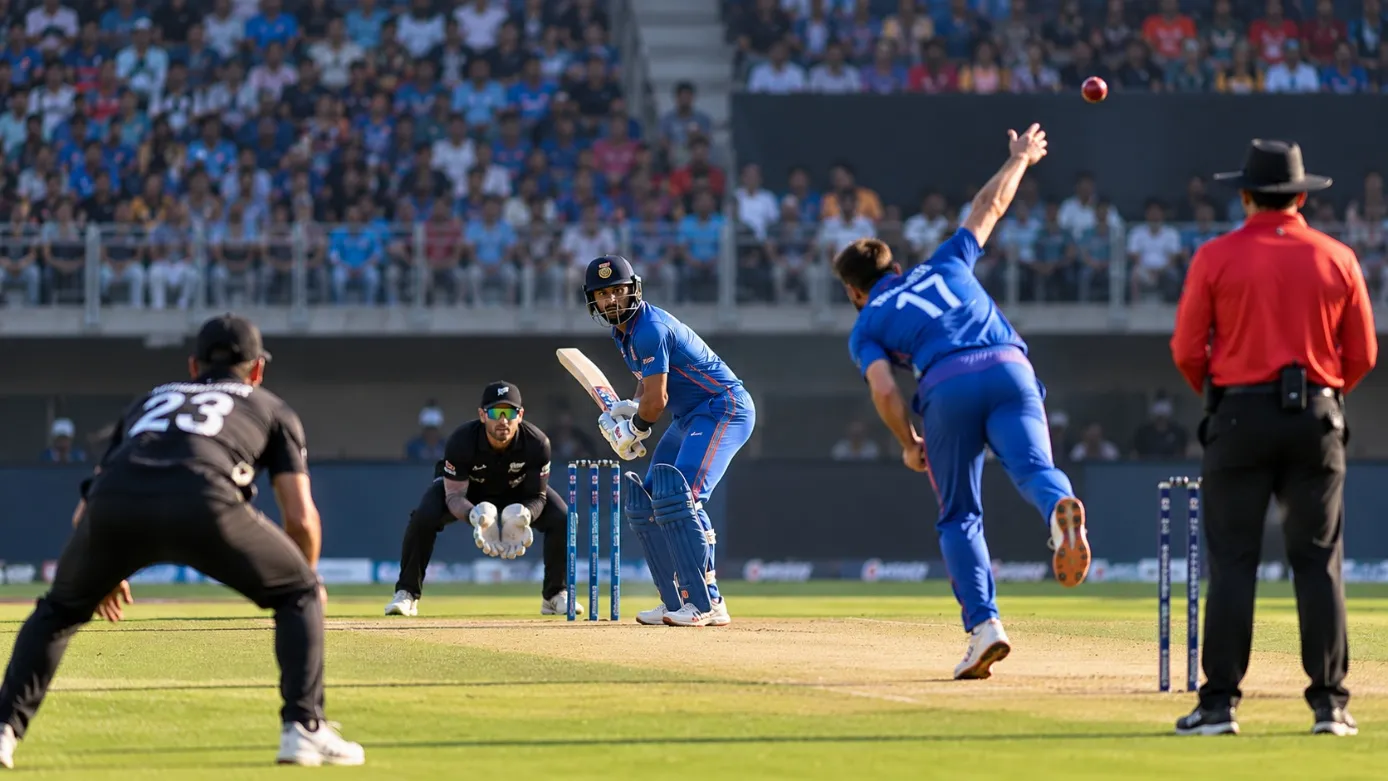
The first six overs of a T20 match can make a total look impressive or alarming. But cricket moves through phases, and every phase changes what an effective decision looks like. A reader arriving through the term cricbet may be searching for match information, although the richer question is how to interpret the contest without relying on one number. Start with conditions, not predictions.
Picture a batter surviving three difficult overs on a surface that offers seam movement. The slow start may be exactly what keeps the innings alive. On a flat pitch with a short straight boundary, the same figures could indicate missed opportunity. Reading cricket carefully means making these distinctions before attaching a story to the scorecard.
The opening overs set expectations
New-ball movement can make an early score look disappointing even when conditions favour patient batting. A new ball may swing under lights and become easier to strike once its movement fades.
A short boundary or fast outfield changes what counts as a competitive start. That is why a cautious powerplay is not automatically a failed powerplay. Compare the innings with the actual conditions and the quality of deliveries rather than an average pulled from another ground.
A shift in fielding freedom
Mentions of cricbet99 can distract from the real effect of field restrictions. Once fielding restrictions change, gaps outside the circle can become harder to exploit. When fewer fielders can remain outside the circle, captains protect boundaries differently and spinners may enter the attack.
Batters may need to rotate strike instead of relying on boundaries alone. A batter who has relied on lofted shots might find safer singles more valuable. Changes in field placement often explain the scoring rate better than vague talk of confidence.
One innings, two possible readings
Suppose a side scores thirty-five in the powerplay but loses no wickets. Spectators may criticise the pace until a swinging ball and a difficult pitch become obvious. A later partnership can make that start look prudent. Cricket statistics only become meaningful alongside bowling quality and surface behaviour.
Conversely, sixty for four after six overs may feel exciting while leaving too little batting depth for the end. A scorecard records runs and dismissals, not the opportunity cost of taking risks. Watching the next bowling changes helps explain which opening approach created genuine flexibility.
The middle-overs puzzle
A partnership can improve stability while simultaneously lowering the scoring rate. A partnership of fifty from forty balls can be useful if it stabilises an innings after early wickets.
Bowling changes, handedness and the availability of attacking batters make the same total mean different things. The same passage may be costly when nine wickets remain and the required rate climbs. The value of a stand depends on timing, batting depth and the opposition’s bowling options.
Death overs are a different contest
Yorker execution, slower balls and the number of wickets remaining shape the final acceleration. Slower balls become dangerous when disguised well, but predictable variations can also be punished.
One explosive over should not erase the significance of dot balls and sensible running earlier. A captain saving a specialist for the nineteenth over is balancing opportunity against risk. Look at unused overs and remaining batters before treating the final five overs as guaranteed acceleration.
The last over begins much earlier
Death-over scoring depends on earlier decisions about conserving wickets and making batters comfortable against different deliveries. A finisher arriving after two dot balls is in a different position from one who has already faced fifteen. These distinctions matter even when both begin with an identical required rate.
Likewise, captains plan specialist overs several phases ahead. The best bowler may be unavailable when needed because a previous spell was used to contain a dangerous partnership. Rather than criticising the final choice alone, examine the sequence of choices that made it necessary.
Numbers need a story
Run rate is useful, but pitch behaviour and batting resources explain why it rises or stalls. A projected total does not show whether the pitch is slowing or a set batter is carrying a minor injury.
Reading scorecards critically is more rewarding than treating every projection as a dependable prediction. Scorecards are summaries rather than explanations. Broadcast images, field placements and the pattern of dot balls fill in important gaps that raw strike rate cannot convey.
Conclusion
The best match discussions allow the story to change as the innings develops. On cricbet99id.in, as with any cricket-related site, readers should separate factual match statistics from promotional messaging and independently check any claims about services or legality.