Poshan Abhiyaan Jan Andolan: What It Is and Why It Matters
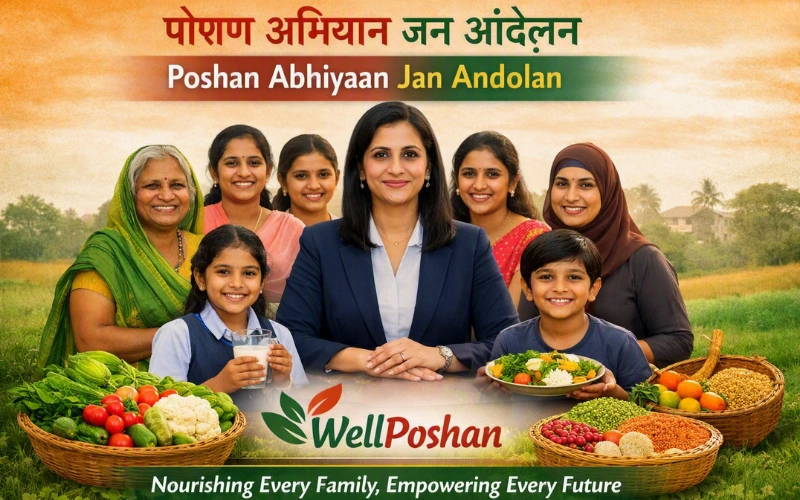
Poshan Abhiyaan Jan Andolan is India’s people-powered nutrition movement — the part of the government’s POSHAN Abhiyaan mission that turns a policy on paper into something ordinary people, Anganwadi workers, schools, and panchayats actually do together every year.
Poshan Abhiyaan Jan Andolan at a Glance
| Detail | Information |
|---|---|
| Full form of POSHAN | Prime Minister’s Overarching Scheme for Holistic Nutrition |
| Launched | 8 March 2018, by the Prime Minister |
| Nodal ministry | Ministry of Women and Child Development (MWCD), with Health & Family Welfare and other ministries in convergence |
| Restructured as | Mission Poshan 2.0 (Saksham Anganwadi and Poshan 2.0), Union Budget 2021–22 |
| Digital tools | Poshan Tracker app (launched 1 March 2021) and the Jan Andolan Dashboard |
| Big annual events | Rashtriya Poshan Maah (September) and Poshan Pakhwada (March/April) |
| 2025 milestone | 8th Rashtriya Poshan Maah launched 17 September 2025 from Dhar, Madhya Pradesh |
| App reach (latest available) | Over 1 crore downloads; roughly 1.35 million Anganwadi workers using it |
So, What Is POSHAN Abhiyaan, Really?
Before the “Jan Andolan” part makes sense, it helps to know the base scheme. POSHAN Abhiyaan — India’s National Nutrition Mission — was launched in 2018 to pull together several ministries and schemes under one roof, with clear targets around reducing stunting, undernutrition, anaemia, and low birth weight in children, adolescent girls, and mothers.
The mission didn’t want to just be another government scheme run from Delhi. So it built in a second layer: getting communities to own the problem themselves. That layer is the Poshan Abhiyaan Jan Andolan.
“Jan Andolan” — What Does It Actually Mean Here?
“Jan Andolan” translates loosely to “people’s movement.” In this context, it’s the community-participation engine of the mission — the part where Anganwadi centres, schools, health workers, panchayats, self-help groups, and volunteers run local nutrition activities: awareness rallies, nutrition workshops, anaemia camps, cooking demonstrations with local produce, and Poshan Vatikas (small nutrition gardens).
The idea is simple: a poster from a ministry doesn’t change eating habits by itself. A Poshan Abhiyaan Jan Andolan event run by someone’s own neighbour, teacher, or Anganwadi worker has a much better shot at it.
Poshan Maah vs Poshan Pakhwada: The Two Big Events
Most of the on-ground Poshan Abhiyaan Jan Andolan activity happens during two recurring campaigns.
| Rashtriya Poshan Maah | Poshan Pakhwada | |
|---|---|---|
| When | Every September | Every March/April |
| Duration | About a month | About two weeks |
| 2025 edition | 8th edition, launched 17 September 2025 | 7th edition, held 8–22 April 2025 |
| Typical focus | Maternal nutrition, infant feeding (IYCF), early childhood care, cutting excess sugar/oil | First 1,000 days of life, malnutrition management, healthy lifestyle habits |
| Who runs it | Gram Panchayats, Urban Local Bodies, schools, health facilities, Anganwadi Centres | Anganwadi and ASHA workers, local leaders, schools, colleges |
Both events lean on the same Poshan Abhiyaan Jan Andolan playbook — local activities, wide participation, and everything logged centrally so the government can actually see what’s happening on the ground.
How Poshan Abhiyaan Jan Andolan 2025 Played Out
The 2025 edition leaned hard into “Suposhit Bharat” — a well-nourished India — with 2047 set as the long-term horizon. The 8th Rashtriya Poshan Maah was flagged off from Dhar, Madhya Pradesh, alongside the Swasth Nari, Sashakt Parivar Abhiyaan, and wrapped up with a concluding event in Dehradun that brought together state ministers and central officials.
Themes for
Poshan Abhiyaan Jan Andolan
2025 included maternal nutrition, infant and young child feeding, early childhood care and education, and — a newer addition — cutting down sugar and oil intake to tackle rising obesity, alongside the older focus areas like anaemia and stunting.
Scale-wise, past editions give a sense of what “Jan Andolan” means in practice: the 2022 Poshan Maah alone recorded more than 15 crore activities conducted across the country in a single month.
Mission Poshan 2.0: The 2021 Upgrade
In the Union Budget 2021–22, the government folded POSHAN Abhiyaan together with the Anganwadi Services scheme and the Scheme for Adolescent Girls into one integrated programme: Mission Poshan 2.0 (also called Saksham Anganwadi and Poshan 2.0). The goal was less fragmentation and sharper focus on infant feeding norms and treating acute malnutrition. The Poshan Abhiyaan Jan Andolan component carried over into this bigger structure rather than being replaced by it.
Poshan Abhiyaan Jan Andolan Data Entry, Dashboard & Portal — Who’s It For?
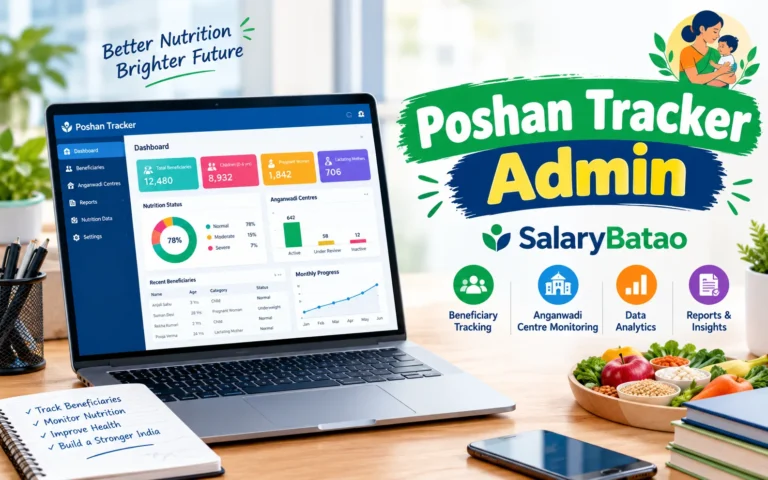
This is where a lot of confusion happens, so let’s be direct about it: the Poshan Abhiyaan Jan Andolan data entry system is not a general public sign-up. It’s a reporting tool for people already authorised to log activities — Anganwadi workers, and officials at the block, district, state, and national level across the ministries involved in the mission.
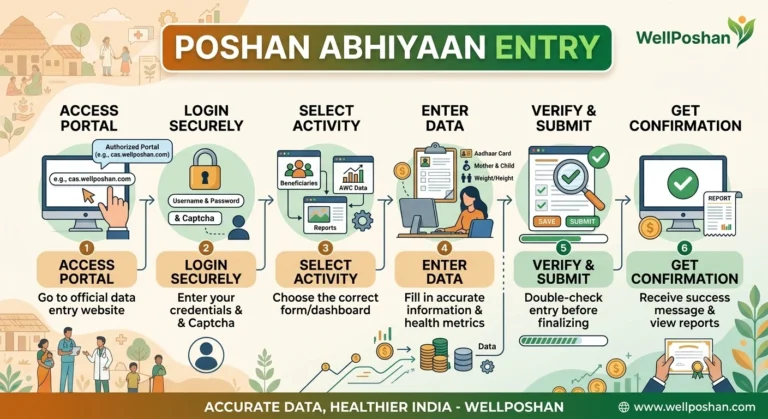
Here’s roughly how the Poshan Abhiyaan Jan Andolan Portal works for those authorised users:
- They log in to the Jan Andolan Dashboard with a username and password issued to their ministry, state, or block — not a self-created account.
- They record which activity was held (a rally, a cooking demo, a health camp), the level (village, block, district, and so on), the date, and a headcount of participants.
- The dashboard then shows a live, national picture of how much Poshan Abhiyaan Jan Andolan activity is happening, at every level.
If you’re a beneficiary or a community member rather than an official, your path in is different: the way to take part in Poshan Abhiyaan Jan Andolan Entry activities is to join events through your local Anganwadi Centre, school, or panchayat — not to try logging into the reporting dashboard yourself. And if you ever land on a page asking for personal or payment details in the name of Poshan Abhiyaan Jan Andolan registration, treat it with suspicion — the actual scheme doesn’t charge citizens to participate.
The Poshan Abhiyaan Jan Andolan App: Poshan Tracker
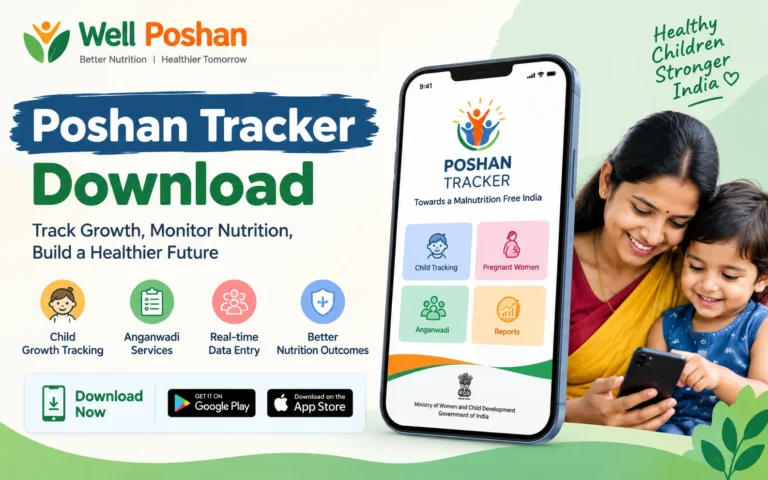
The digital backbone on the service-delivery side is the Poshan Tracker app, rolled out by the Ministry of Women and Child Development on 1 March 2021. It’s built for Anganwadi workers to log growth measurements, home visits, and service delivery for children, pregnant women, and lactating mothers in real time, replacing a lot of the older paper registers.
It’s available for Poshan Abhiyaan Jan Andolan App Download on the Google Play Store, but — same rule as the dashboard — it’s meant for authorised users signing in with official credentials issued by the concerned department, not a general consumer app.
Why Poshan Abhiyaan Jan Andolan Matters for Everyday People
Even if you’re never going to touch the data entry dashboard, Poshan Abhiyaan Jan Andolan still affects you if:
- You or someone in your family visits an Anganwadi Centre for child health or nutrition services.
- Your child’s school takes part in Poshan Maah or Poshan Pakhwada activities.
- You live somewhere your panchayat runs nutrition camps, anaemia check-ups, or awareness rallies.
- You simply want to understand what that “logo Poshan Abhiyaan Jan Andolan” banner outside your local health centre is actually about — it marks a site taking part in this movement.
Looking Ahead to Poshan Abhiyaan Jan Andolan 2026
As of this update, official details for Poshan Abhiyaan Jan Andolan 2026 — exact dates for the next Poshan Pakhwada and Poshan Maah, and the year’s themes — hadn’t been announced yet. Based on the pattern of past years, expect Poshan Pakhwada around March–April and the next Rashtriya Poshan Maah around September, with themes announced closer to each event. For the confirmed dates and guidelines, the official portal is the only source worth trusting.
Conclusion
Poshan Abhiyaan Jan Andolan is really two things stitched together: a serious, data-driven national nutrition mission, and a genuinely grassroots effort to get communities involved rather than just governed. Poshan Maah and Poshan Pakhwada are the two big annual moments it shows up in, Mission Poshan 2.0 is the framework holding it together since 2021, and the data entry dashboard and Poshan Tracker app are how the government keeps track of it all — used by authorised workers and officials, not the general public. If you want to be part of it, your Anganwadi Centre, school, or local panchayat is the real starting point.
FAQs
1. What is the full form of POSHAN in Poshan Abhiyaan?
POSHAN stands for Prime Minister’s Overarching Scheme for Holistic Nutrition.
2. When did Poshan Abhiyaan Jan Andolan start?
POSHAN Abhiyaan was launched on 8 March 2018; the Jan Andolan community-participation approach has been part of it from early on and has grown with each Poshan Maah and Poshan Pakhwada since.
3. What’s the difference between Poshan Maah and Poshan Pakhwada?
Poshan Maah is a month-long campaign every September; Poshan Pakhwada is a shorter, roughly two-week campaign every March or April. Both run under the same Jan Andolan approach.
4. Who can do Poshan Abhiyaan Jan Andolan data entry?
Only authorised Anganwadi workers and government officials with credentials issued by their ministry, state, district, or block. It isn’t a public registration form.
5. Is there a Poshan Abhiyaan Jan Andolan app I can download?
The official app is Poshan Tracker, meant for Anganwadi workers and authorised staff, available on the Google Play Store with credentials from their department.
6. What is Mission Poshan 2.0 and how does it relate to Jan Andolan?
Mission Poshan 2.0 is the 2021 restructuring that combined POSHAN Abhiyaan with Anganwadi Services and the Scheme for Adolescent Girls. The Jan Andolan community-activity model continues within this larger framework.
7. How do I take part in Poshan Abhiyaan Jan Andolan as a regular citizen?
Through your local Anganwadi Centre, school, or panchayat when they hold Poshan Maah or Poshan Pakhwada activities — not through the official data entry dashboard, which is for authorised staff only.
A Quick Note on This Article
This piece was compiled from official sources, including Ministry of Women and Child Development materials, Press Information Bureau releases, and the Digital India Corporation’s documentation on Poshan Tracker, current as of the last update date above. Government scheme details, dates, and figures change over time. For anything transactional — logging in, registering an activity, or downloading the app — please use the verified official portal (poshanabhiyaan.gov.in) or check with your local Anganwadi/ICDS office rather than any third-party page.
Disclaimer: This article is for general information only and isn’t an official government communication. It doesn’t replace guidance from the Ministry of Women and Child Development or your local Anganwadi/ICDS office.
Thank you for reading!
Checkout
Well Poshan
for more such informations.