How to Create a Game With Dynamic Player Reward Systems
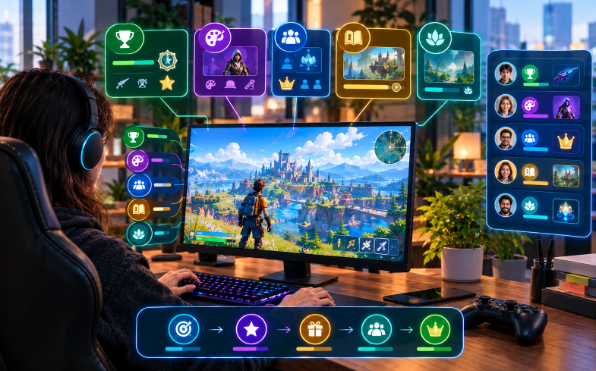
Reward systems are what make players feel like their time investment matters. A well-designed reward system makes a player want to return, makes progression feel meaningful, transforms grinding into satisfaction. Yet most games treat rewards as static, the same basic progression for every player regardless of what they actually want. A player seeking cosmetics gets dumped into grind. A player wanting narrative progression gets mechanical rewards. A player valuing social connection gets solo progression. That mismatch between reward and motivation frustrates players and creates the sense that rewards don’t actually value their playstyle. Dynamic reward systems recognize that different players want different rewards and automatically adjust what they offer based on what each individual player actually responds to. That personalization transforms rewards from generic carrots on sticks into meaningful recognition of individual achievement.
Why Dynamic Rewards Matter
Static reward systems create a single progression path everyone follows. That path works perfectly for some players and feels meaningless to others. A player motivated by social recognition ignores solo achievements. A player seeking cosmetics doesn’t care about stats. A player valuing narrative feels disconnected from mechanical progression. That disconnect means the reward system fails to motivate everyone equally, which means engagement suffers.
Dynamic rewards recognize that motivation varies and adjust accordingly. A player gets recognized in the ways they actually care about. Cosmetic collectors see cosmetic rewards. Competitive players see ranking rewards. Social players see recognition their friends see. Narrative players see story progression. That individualization means every player experiences rewards as genuinely meaningful to them specifically, which transforms motivation from external compliance into internal desire to continue engaging.
Understanding Different Reward Motivations
Achievement and Progression
Some players are primarily motivated by clear advancement. Numerical progression they can track, levels they can climb, stats they can improve. These players want tangible evidence they’re getting better. Their reward motivation is fundamentally about demonstrating advancement, having something to show for their time investment.
Cosmetic and Aesthetic Rewards
Other players care more about self-expression and appearance. Cosmetics, skins, customization options, visual rewards that let them stand out or express personality. These players don’t care about invisible stat increases, they want visible, shareable rewards that represent their identity or achievement.
Social and Recognition Rewards
Some players are motivated primarily by social connection and recognition. Leaderboards showing their accomplishment, badges others can see, titles that display status. These players want their achievements visible to others, want community recognition, want to feel valued by their peers.
Narrative and Story Progression
Players engaging with narrative want rewards that advance story, unlock new content, reveal plot developments. These players don’t care much about stats or cosmetics, they want their engagement with story recognized through narrative progression.
Relaxation and Low-Pressure Engagement
Some players want rewards without competitive or stressful elements. Calm progression, gentle advancement, engagement that doesn’t demand optimization. These players want their time respected through laid-back rewards that don’t create pressure to perform.
Designing Dynamic Reward Systems
Track What Players Actually Engage With
Before implementing dynamic rewards, understand what players naturally gravitate toward. Does a player open cosmetic menus repeatedly? Does someone focus on competitive rankings? Do they pursue story quests? Do they engage socially? That behavior reveals motivation far more accurately than asking players upfront, since people often can’t articulate what actually drives their engagement.
That behavioral tracking should be unobtrusive. Players shouldn’t feel spied on, they should see rewards naturally reflecting what they actually do. The system observes and adapts, but adaptation should feel like the game understands them, not like they’re being monitored.
Offer Multiple Reward Paths That Lead to Similar Status
Different paths to comparable rewards let players choose their motivation while keeping progression balanced. A player could reach status through cosmetic collection, or through achievement, or through social contribution, or through narrative completion. Each path feels valuable and reaches similar endpoint recognition, just through different means.
That variety means no single playstyle dominates. A casual player reaching status through narrative feels equally accomplished as a hardcore player reaching status through competitive achievement. Both paths matter equally.
Emphasize Rewards That Match Playstyle
Once you understand individual preferences, emphasize matching rewards. A player who consistently pursues cosmetics sees cosmetic drops more frequently. A competitive player sees ranking recognition. A social player sees community visibility. That emphasis doesn’t exclude other reward types, it just emphasizes what each player actually responds to.
Create Milestone Recognition Across All Playstyles
Milestones work best when they matter to individual players. A competitive milestone might be reaching a rank. A narrative milestone might be completing a story chapter. A cosmetic milestone might be collecting a set. A social milestone might be helping other players. That diversity means every player experiences milestones as personally meaningful rather than generic achievements that don’t apply to their playstyle.
Implementing Progressive Reward Personalization
Start Simple and Expand
Begin with basic categories: competitive players, cosmetic collectors, narrative followers, social players. Offer rewards clearly aligned with each motivation. Test whether that basic categorization matches actual player behavior. Expand categories as you gather data, splitting into more nuanced motivations as patterns emerge.
Use Data Carefully and Transparently
Dynamic reward systems depend on data about player behavior. That data collection should be transparent. Players should understand that they’ll get rewards matching their playstyle, and should feel good about that recognition rather than uncomfortable about tracking. Transparency builds trust that the system is personalizing in their favor rather than exploiting their behavior.
Balance Personalization With Universal Rewards
Not everything should be personalized. Universal rewards that everyone gets regardless of playstyle create shared experience. A seasonal event that rewards everyone, a community milestone where everyone benefits, universal cosmetics available to all, those create cohesion alongside personalization. The goal is personalizing what matters most while maintaining shared experiences that build community.
A Practical Example of Dynamic Rewards
Minecraft Royal Railway Journey: New Version demonstrates what thoughtfully designed rewards produce, engagement where players feel their playstyle is recognized and rewarded. The game shows how understanding different motivations and rewarding them appropriately creates something that feels personally meaningful to each player.
Understanding how to create a game with dynamic reward systems means recognizing that player motivation varies wildly and designing systems that recognize and reward that variety rather than forcing everyone into a single motivation framework.
Avoiding Reward System Mistakes
Don’t Force Everyone Into One Reward Path
A common mistake is designing rewards around a single motivation then wondering why some players feel disconnected. If all rewards emphasize competition, casual players feel excluded. If all rewards emphasize cosmetics, progression-focused players feel like they’re making no real advancement. Multiple valid reward paths matter.
Avoid Making Rewards Feel Grindy
Personalized rewards should feel like natural recognition of playstyle, not like manufactured busywork. If a system requires specific grinding to unlock rewards for your playstyle, it feels exploitative. If rewards come naturally through doing what you actually enjoy, it feels good. That difference between natural and forced matters tremendously.
Don’t Exclude Underrepresented Motivations
A game might have many players motivated by competition and few motivated by narrative. That small narrative audience still deserves meaningful rewards. Smaller communities shouldn’t get ignored just because they’re smaller. That inclusivity builds loyalty from players who feel their motivation is valued even when it’s not the majority.
Testing Reward Personalization
Watch Whether Players Actually Pursue Rewards
Real test of a reward system is whether players actually engage with it. If players ignore certain reward paths, that’s data suggesting those rewards don’t actually matter to those players. If players intensely pursue specific rewards, that’s data suggesting those rewards genuinely motivate them. Actual behavior reveals far more than surveys about what motivates people.
Gather Feedback About Reward Satisfaction
Ask players whether rewards feel meaningful specifically to them. A competitive player should feel like competitive rewards matter. A narrative player should feel like narrative progress matters. If players feel like the game doesn’t recognize their specific playstyle, that’s signal to adjust what rewards your game emphasizes.
Final Thoughts
Creating a game with dynamic player reward systems means recognizing that different players want different rewards and automatically adjusting to provide recognition that each individual actually cares about. Track what players engage with, offer multiple paths to similar status that match different motivations, emphasize rewards matching individual playstyle, and create milestones that matter across all playstyles. Test extensively whether personalized rewards actually motivate the players you’re targeting, adjust based on observation, and maintain balance between personalization and shared experience. The most engaging reward systems are those where players feel understood, where their specific playstyle is recognized and rewarded, where time investment feels like it produces rewards they actually value. That recognition transforms rewards from compliance mechanisms into genuine motivation that keeps players engaged long-term.