Healthy Digital Habits : Balancing Screen Time with Real Life Wellbeing
Digital entertainment has become a normal part of daily life for people of all ages. But as screen time grows, so does the importance of maintaining a healthy balance between online activities and the rest of life. Just as good nutrition supports physical growth, mindful digital habits support mental and emotional wellbeing.
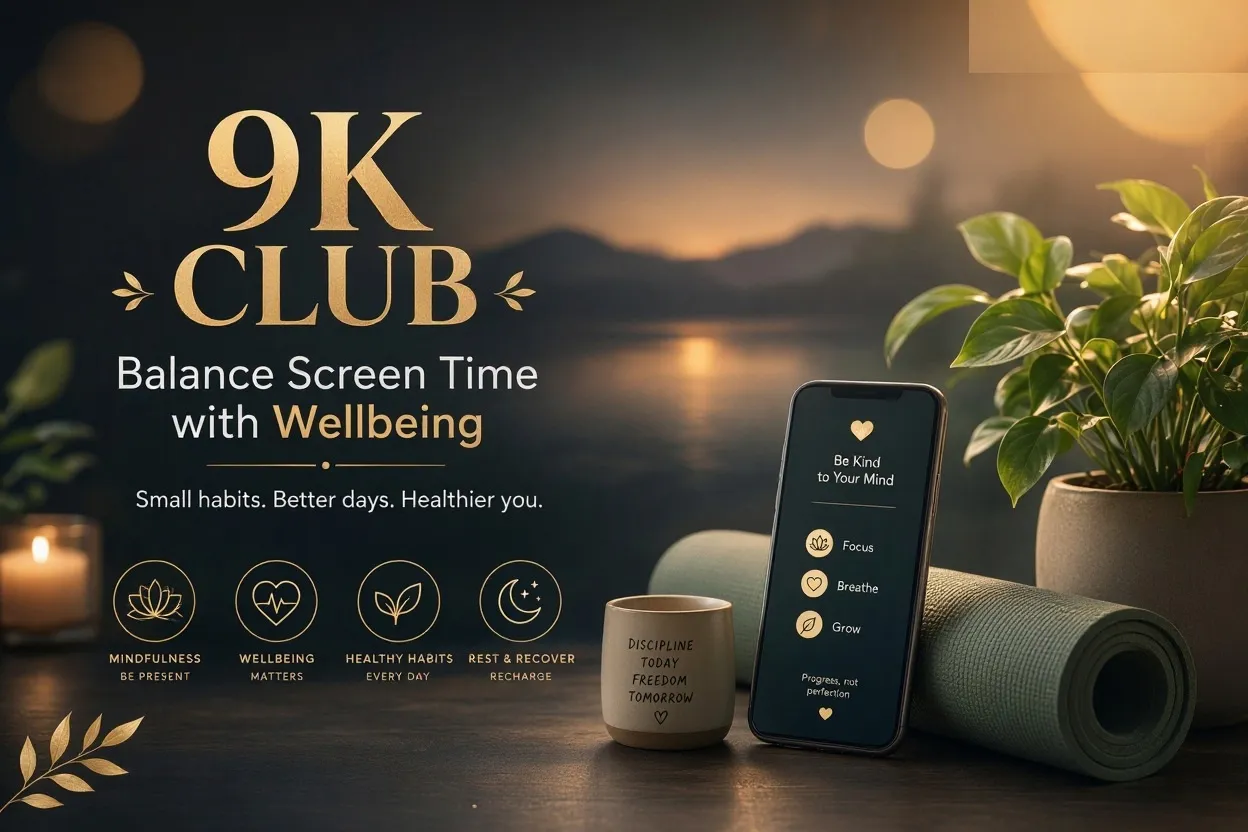
The Connection Between Screen Time and Health
Research consistently shows that excessive screen time can affect sleep quality, attention span, and emotional balance. At the same time, moderate use of digital entertainment can offer relaxation, social connection, and cognitive stimulation.
The key, as with most things, is balance.
Signs That Digital Habits Need Adjustment
-
Spending more time than planned on screens
-
Neglecting physical activity, sleep, or in-person relationships
-
Feeling irritable when unable to use devices
-
Using screens to avoid real world challenges
Recognizing these signs early is the first step to building healthier patterns.
Practical Steps for Better Balance
1. Set Daily Limits
Use built-in screen time features or set simple rules (e.g., no screens after 10 PM).
2. Take Regular Breaks
The 20-20-20 rule helps: every 20 minutes, look at something 20 feet away for 20 seconds.
3. Choose Platforms Mindfully
Some platforms are designed with responsible-use features session timers, activity dashboards, and opt-out tools. 9k club is an example of a platform that builds these features directly into the user experience, so users can stay in control of their activity.
4. Fill Your Day with Offline Activities
Exercise, time outdoors, reading physical books, and face-to-face conversations are all essential counterweights to screen time.
5. Model Healthy Habits for Children
Children learn from what they see. If parents demonstrate balanced screen usage, children naturally adopt healthier habits.
Digital Wellbeing Is a Skill
Like any other skill, managing screen time improves with practice. Small adjustments like turning off notifications, keeping devices out of the bedroom, or scheduling regular “digital detox” hours can make a significant difference.
Platforms have a responsibility too. Those that design for wellbeing with clear usage statistics, break reminders, and self control tools make it easier for users to build healthy habits.
Final Thoughts
Digital entertainment is here to stay. What matters is how we use it. By combining mindful usage with physical activity, social connection, and adequate rest, we can enjoy the benefits of digital life without sacrificing wellbeing.